

• admindesk@icoyacaafrica.org
News Photo

Uganda’s AfCFTA Journey: Moving from Framework to Full scale Implementation

By Ambassador Salim Kim Walusimbi

Trade Policy Analyst & AfCFTA Advocate 

Africa stands at a transformative crossroads. What was once a visionary framework launched in 2018 the African Continental Free Trade Area (AfCFTA) has evolved from legal protocols into a living, breathing market place. For those of us who have walked the halls of trade diplomacy, the transition from "negotiation" to "implementation" is the most critical hurdle.

For decades, the dream of an integrated African market was a fixture of summit speeches and policy papers. However, as we navigate 2026, the narrative has shifted. The African Continental Free Trade Area (AfCFTA) is no longer a distant aspiration; it is a live economic theater. For Uganda, the "Pearl of Africa," this transition represents a strategic pivot from being a landlocked producer to a land-linked regional trade connector.

National AfCFTA Implementation Strategy Launch pad: A Ten-Year Vision

The negotiations to adopt the legal instruments of the African Continental Free Trade Area (AfCFTA) were launched in 2015. While the founding Agreement entered into force in 2019, operationalizing preferential trade required the complex verification of tariff schedules and rules of origin. Uganda, a signatory since March 2018 and among the first to ratify the agreement in November 2018, has moved from the preparation phase to active implementation, aligning the bloc's goals with its national "Ten-Fold Growth Strategy".

Uganda’s progress is anchored by the National AfCFTA Implementation Strategy (2024/25–2033/34). Launched with a clear mandate from the highest levels of government, this roadmap is the engine under the hood of our "Ten-Fold Growth Strategy." It isn't just about reducing tariffs; it is about industrial transformation. By targeting 54 markets and 1.3 billion people, we are effectively multiplying our domestic market by a factor of thirty.

AfCFTA National Implementation Committee (NIC)

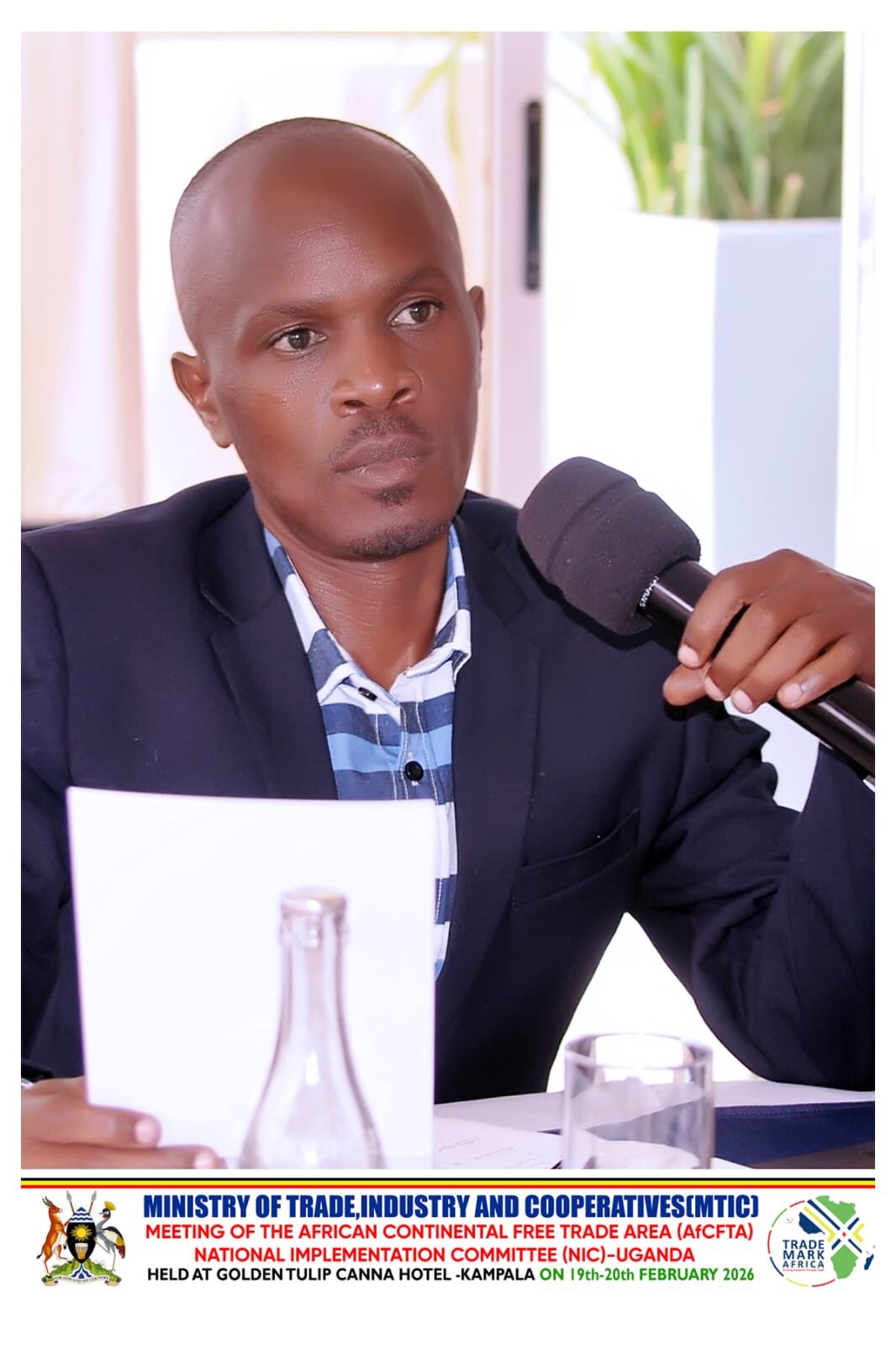
In October 2025, a critical milestone was reached with the inauguration of the 36-member National Implementation Committee (NIC), where I am humbled to serve as a member and a member of the Sub Committee on Investments. Led by the Ministry of Trade, Industry and Cooperatives, this body represents a "whole-of-nation" approach.

Unlike previous trade desks, the NIC bridges the gap between the boardroom and the border. It includes the private sector, civil society, and technical experts who are tasked with a singular focus: ensuring that Ugandan goods from our premium coffee and dairy to our emerging pharmaceutical products move across the continent with zero friction.

Operational Wins: The Guided Trade Initiative (GTI)

To address delays in continent-wide Operationalization, the AfCFTA Secretariat launched the Guided Trade Initiative (GTI) in October 2022 to test the trade environment through commercially meaningful transactions. While the initial 2022 launch featured eight pioneer nations, Uganda officially joined the "engine room" of the GTI following the verification of its tariff schedules.

Uganda officially joined the Guided Trade Initiative (GTI), the pilot phase that allows for commercially meaningful trading between ready State Parties. Regarding Uganda’s Tariff Readiness, the Uganda Revenue Authority (URA) has successfully configured the AfCFTA tariff schedules. This technical alignment means that "Made in Uganda" products now benefit from immediate preferential treatment in verified markets like Egypt, Ghana, and South Africa.

While agriculture remains our backbone, we are aggressively pushing into Trade in Services. Uganda has submitted offers in five ATMIS priority sectors, with Tourism and Transport leading the charge. By leveraging our position on the Northern and Central Corridors, we are becoming the logistics heartbeat of East Africa.

In short, while the AfCFTA provides the legal highway for trade, programs like Q-Boost provide the certified vehicle that allows Ugandan MSMEs to actually drive on it. By solving the "Trust Gap," Uganda is ensuring that "Made in Uganda" becomes a continental synonym for "Quality Guaranteed."

Empowering the Grassroots to Trade under the AfCFTA

The expansion of Uganda's trade capacity under the AfCFTA is driven by a multi-layered ecosystem of development partners and national agencies. While the SWIFT Initiative addresses digital bottlenecks, other programs focus on financial inclusion, quality infrastructure, and gender-responsive policy.

Swedish Initiative for Facilitating Trade (SWIFT)

Real progress is measured by the success of our MSMEs. Through the Swedish Initiative for Facilitating Trade (SWIFT), we are currently onboarding over 500 small businesses largely led by women and youth onto digital trade platforms. This initiative isn't just providing training; it is providing the digital tools to navigate Rules of Origin and obtain electronic Certificates of Origin, ensuring that the smallest entrepreneur can compete on the continental stage.

The Quality & Standards Pillar: GIZ’s "Q-Boost" Programme

A major non-tariff barrier (NTB) for Ugandan MSMEs is the "trust gap" regarding product quality. This initiative launched by the Alliance for Product Quality in Africa (AfPQ) and implemented by GIZ, the Q-Boost programme has been active in Uganda to strengthen Quality Management Systems (QMS).

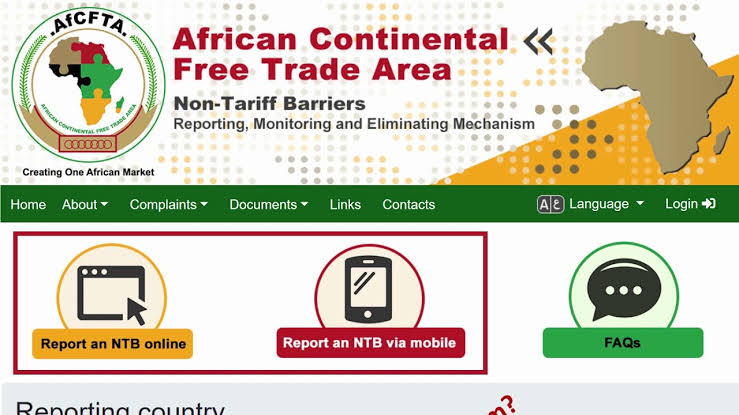
The GIZ Q-Boost Programme, under the Alliance for Product Quality in Africa (AfPQ), is a critical pillar in Uganda’s strategy to transition from a "commodity exporter" to a "certified value-adder." While tariffs are falling under the AfCFTA, the "Trust Gap"—the fear that African products are unsafe or substandard remains a potent Non-Tariff Barrier (NTB).

It provides cohort-based coaching for SMEs to achieve certifications like ISO 9001:2015. By helping small businesses solve pressing quality challenges (such as packaging or standardized weights), Q-Boost ensures that Ugandan products from honey to textiles meet the rigorous standards required for export to markets like South Africa and Egypt without being rejected at the border.

The Digital Transition: Trade Mark Africa (TMA) & UESW

Beyond SWIFT, Trade Mark Africa has been the primary architect of Uganda’s digital trade infrastructure. TMA collaborated with the Uganda Revenue Authority (URA) to integrate over 30 government agencies into a single digital platform also known as Uganda Electronic Single Window (UESW). For a small-scale coffee farmer, this means the time spent on document processing has dropped by 79% (from 9 days to 2 days). This directly lowers the cost of doing business, making small shipments more viable.

During recent global COVID19 disruptions, TMA established the "Safe Trade" emergency facility, which included the development of the Elegu Cross Border Market. This project specifically targets informal women traders, providing them with secure, formalized facilities to aggregate and trade goods under AfCFTA protocols.

Gender-Responsive Trade: ITC "She Trades" Phase II

Since approximately 70% of informal cross-border trade in Africa is conducted by women, specialized interventions are critical. The International Trade Centre (ITC), through She Trades, works with the East African Business Council (EABC) and the Private Sector Foundation Uganda (PSFU). The She Trades interventions empower women’s business associations to advocate for gender-sensitive provisions in the AfCFTA Protocol on Women and Youth in Trade. Through the program, ITC trade specialists provides technical assistance to women-led SMEs in sectors like agribusiness and ICT, helping them navigate Rules of Origin and connect with regional value chains (e.g., supplying Ugandan inputs to West African manufacturers).

Entrepreneurial Scaling: UNDP’s "Timbuktoo" & Inclusive Growth

The United Nations Development Programme (UNDP) focuses on the "readiness" of youth-led startups to enter the continental market. Under this initiative, UNPD established a Timbuktoo UniPod at Makerere, a space designed to help young innovators move from "prototype to product." UNDP Uganda has trained over 1,000 MSMEs in business skills specifically tailored for AfCFTA. This includes "Export Readiness Assessments" to determine which sectors (like shea butter or digital services) have the highest "quick-win" potential.

As part of financial linkages, through the Business Supplier Development Programme, UNDP has endeavored to link small grassroots producers with large corporations and regional buyers, helping them scale up to meet the volume demands of a 1.3 billion-person market.

National AfCFTA Coordination: PSFU, EABC & Uganda AfCFTA NIC

The Private Sector Foundation Uganda (PSFU) and the East African Business Council (EABC) acts as the National and Regional apex bodies for these grassroots efforts. As a key member of the newly inaugurated National Implementation Committee (NIC), PSFU ensures that the "Ten-Fold Growth Strategy" includes incentives like concessional credit lines for rural producers. PSFU, in partnership with the Uganda Export Promotion Board (UEPB), have been conducting nationwide workshops. These sessions translate the complex legal text of the AfCFTA into practical "how-to" guides for local business owners in districts like Gulu, Mbarara, and Mbale.

The EABC Uganda Chapter in partnership with FundMental have hosted webinar series grounded in practical SME realities of export readiness, digital tools, and business development. The webinar series introduced SMEs and creatives to the foundations of market access in today’s digital-first trading environment. It will demonstrate how free and accessible trade intelligence platforms such as ITC’s Market Access Map, TradeMap, Rules of Origin Facilitator, and ePing can transform business strategies by helping SMEs identify export opportunities, understand market requirements, and anticipate regulatory changes.

The Challenges Ahead: The "Paperwork Paradox"

We must remain honest about the hurdles. "Customs Cognitive Dissonance" the lag between high-level policy and border-level execution remains a reality. Technical glitches and non-tariff barriers (NTBs) can still turn a three-day journey into a two-week ordeal. The "Paperwork Paradox" is the most significant structural barrier to the success of the AfCFTA. It refers to a situation where, despite the political removal of tariffs, the actual movement of goods is stalled by a mountain of physical documents, manual verification processes, and a "policy-to-port" gap.

In the context of Uganda’s readiness, this paradox manifests as Customs Cognitive Dissonance: the friction between high-level continental protocols signed in Accra or Addis and the legacy habits of a customs officer at a remote border post like Elegu or Malaba. Before recent reforms, a single export transaction from Uganda could require up to 20 different hard-copy documents, ranging from Phytosanitary certificates to multiple transit bonds.

For instance, even if a truck has a valid AfCFTA Certificate of Origin, a technical glitch in a regional server or a lack of high-speed internet at a border crossing forces officers to default to manual verification. The results has always been for trucks sitting idle, per-diem costs for drivers rise, and perishable Ugandan exports like, fresh agricultural products, milk or horticultural products which end up losing their value before reaching the market.

Solving the Paperwork Paradox

Uganda has shifted its strategy from "physical monitoring" to "digital facilitation" through three primary interventions:

The Uganda Electronic Single Window (UESW)

The UESW is the primary tool for collapsing the paperwork mountain. It serves as a single digital entry point for all trade-related regulatory requirements. Over 30 government agencies (including URA, UNBS, and the Ministry of Trade) are now linked. Instead of a trader physically visiting five different offices in Kampala, they submit one digital set of documents. This has contributed to a 79% reduction in import/export processing time, dropping from an average of nine days in 2014 to just two days for compliant traders in 2025/26.

Automation of the Rules of Origin (RoO)

The most complex part of AfCFTA is proving that a product is truly "African" to qualify for zero tariffs. Uganda has moved toward Electronic Certificates of Origin. These are verified via a digital system that communicates directly with the importing country's customs. This removes the "discretionary power" of border officials, as the system automatically flags the preferential AfCFTA rate once the certificate is validated.

The Uganda Revenue Authority uses the ASYCUDA World integrated system, which has been updated with the AfCFTA E-Tariff Book. This ensures that the 0% tariff is applied automatically by the system, reducing human error or "revenue leakage" fears that often lead to delays.

One-Stop Border Posts (OSBPs) & Integrated Management

Uganda has modernized key border points (Malaba, Busia, Elegu, Goli) into One-Stop Border Posts. By housing officials from both Uganda and the neighboring country in a single facility, "double handling" of paperwork is eliminated. At the Goli OSBP, for example, customs processing time was slashed by over 60% by shifting to integrated border management where digital data is shared before the truck even arrives at the gate, which has technically achieved the Cross border paperless trade goal.

The Final Frontier: PAPSS and Digital Trade

However, the solution lies in our commitment to digital trade and the adoption of the Pan-African Payment and Settlement System (PAPSS). By allowing our traders to settle transactions in Uganda Shillings while the receiver gets their local currency, we are removing the "dollar-dependency" that has long choked African intra-trade.

To fully solve the paradox, Uganda is adopting the Pan-African Payment and Settlement System (PAPSS). The “Paperless Trade” paradox isn't just about physical forms; it's about the "paperwork" of currency conversion. PAPSS allows Ugandan traders to pay for imports in Shillings while the seller receives their local currency. This eliminates the need for third-party clearing banks in Europe or the US, speeding up the financial "paper trail" of trade.

A Call to Action

Uganda’s progress under the AfCFTA is a testament to our resilience and vision. We are no longer waiting for the world to come to us; we are taking the Pearl of Africa to the continent. To our manufacturers, farmers, and innovators: the infrastructure is being built, the tariffs are falling, and the market is calling.

The AfCFTA is our generation’s greatest economic opportunity. Let us seize it with the urgency it deserves.

Ambassador Salim Kim W. is a Diplomat and Trade Policy Analyst specializing in International Trade Law and the Digital Economy. He serves as an AfCFTA Trade Advisor and is a graduate of the AfCFTA National Youth Champions Fellowship.

Share This News

Comment

Do you want to get more information about us?